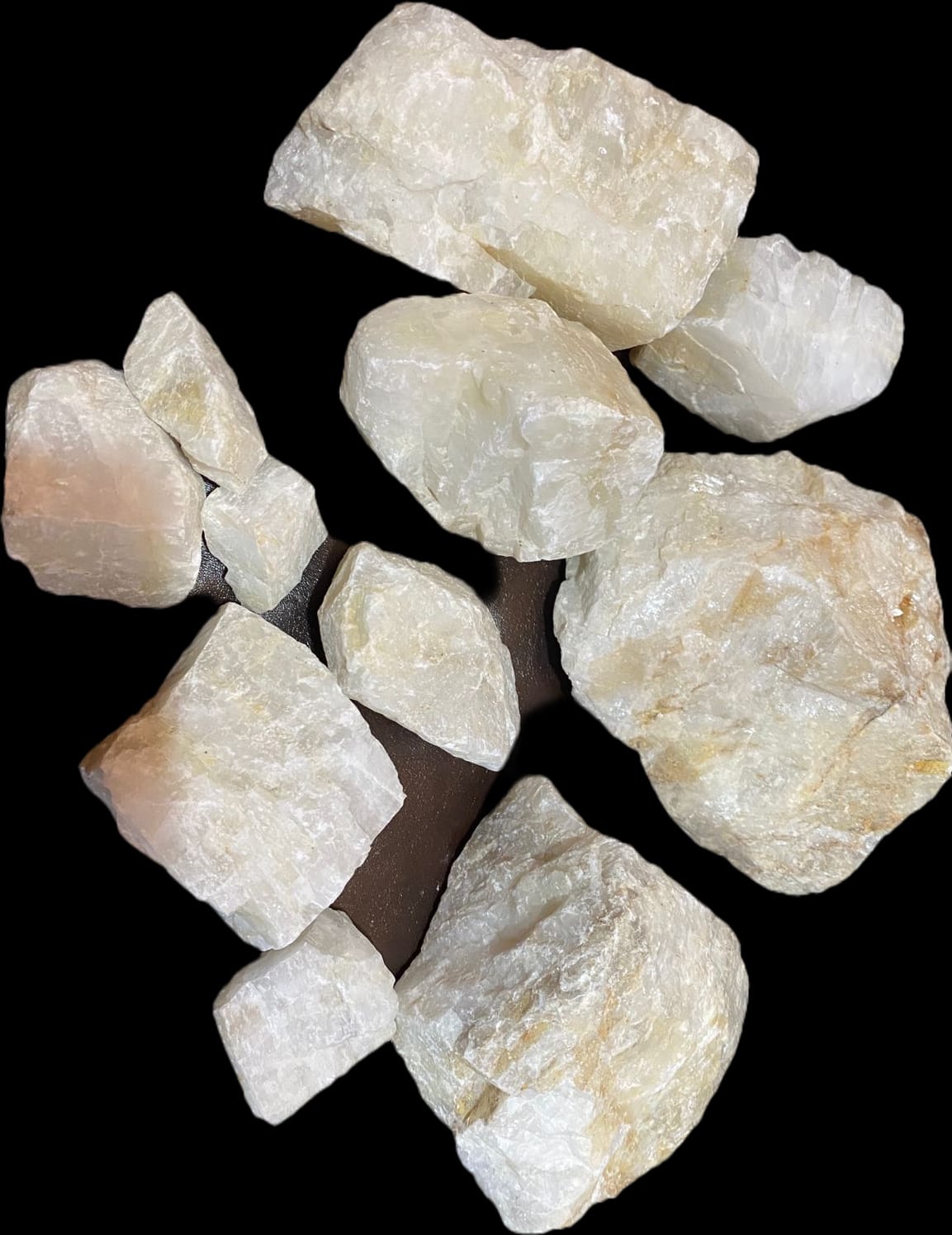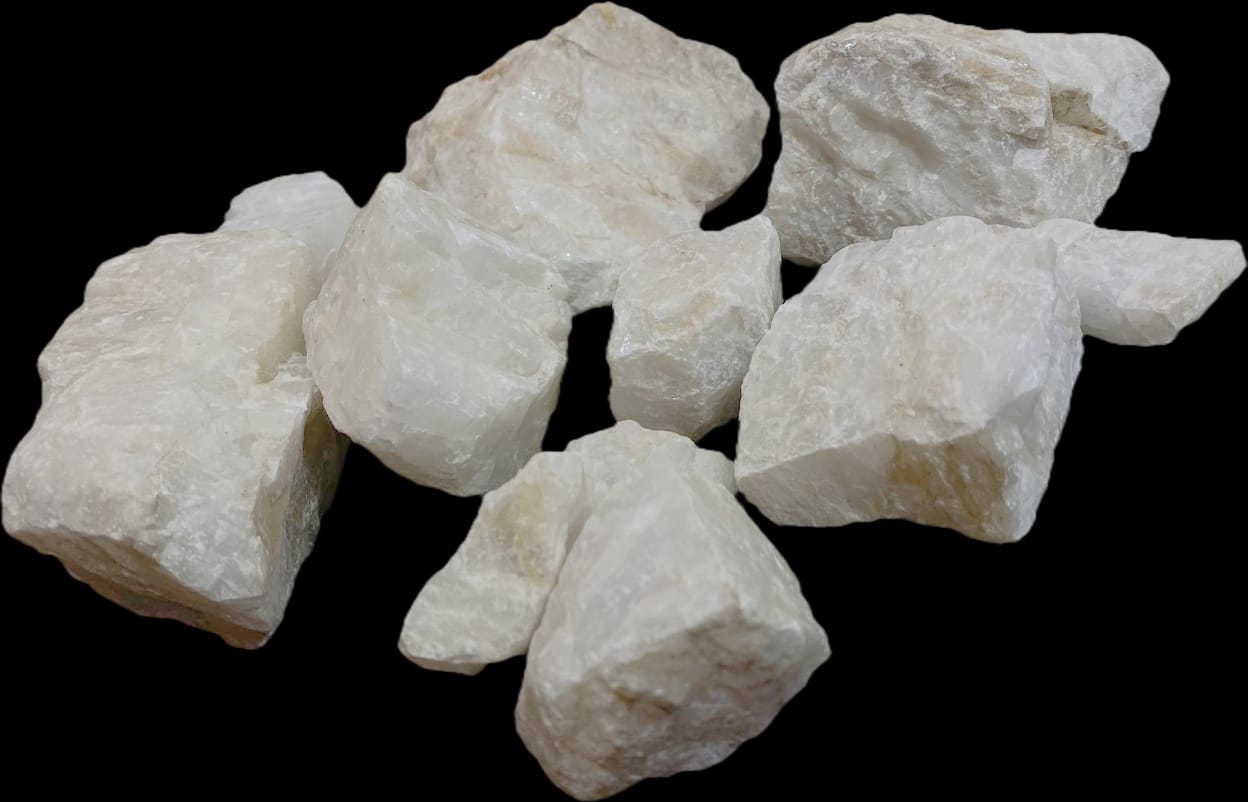
Barite
Barite/Barium , Sulfate/Baso4

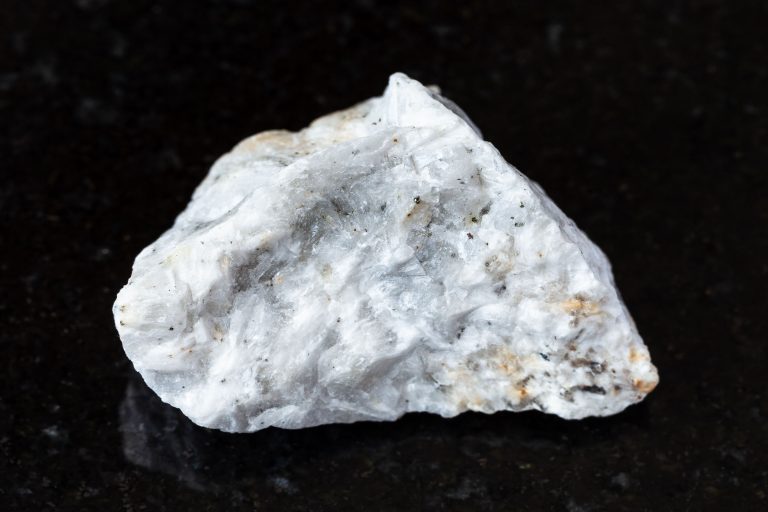
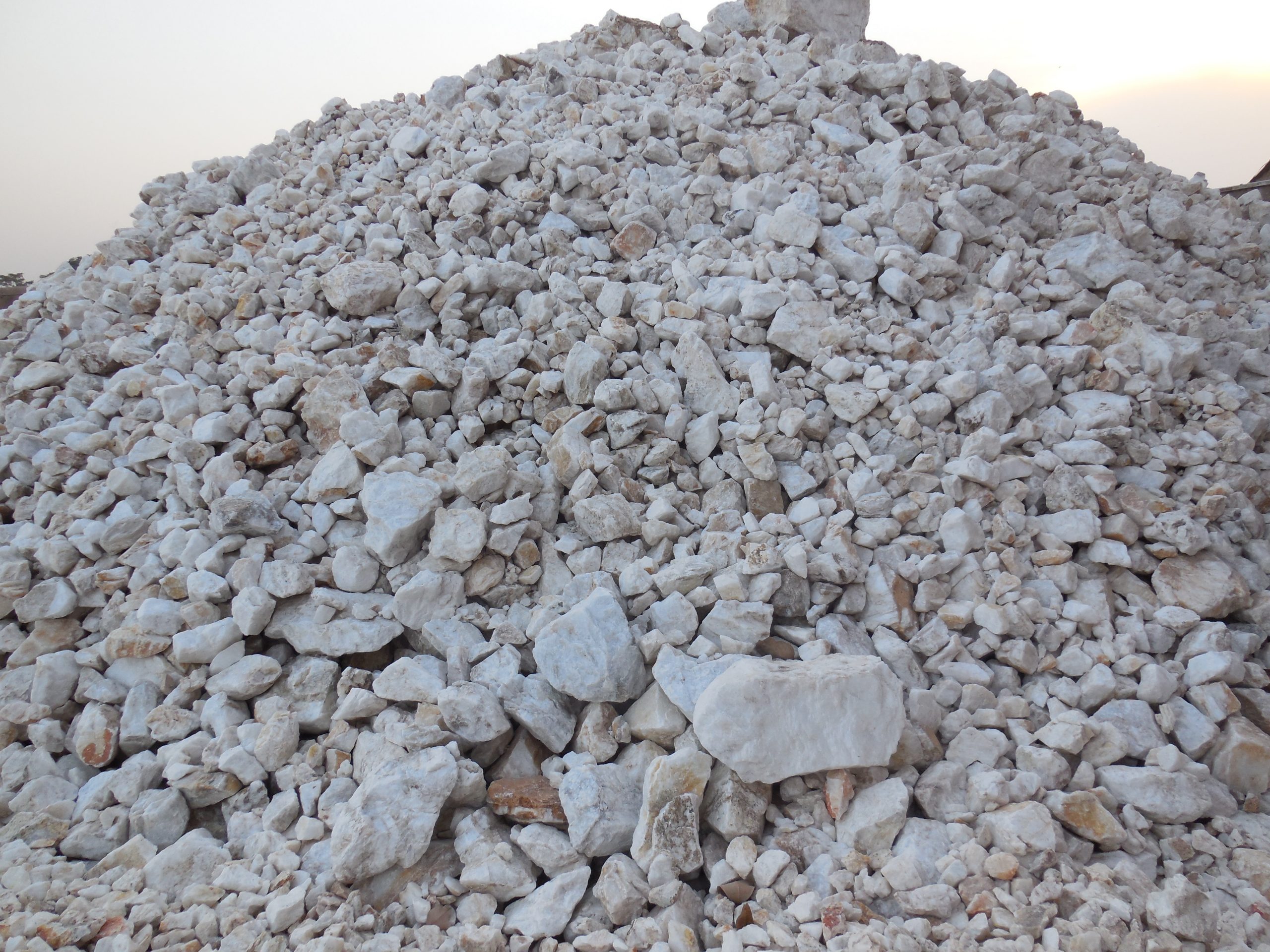
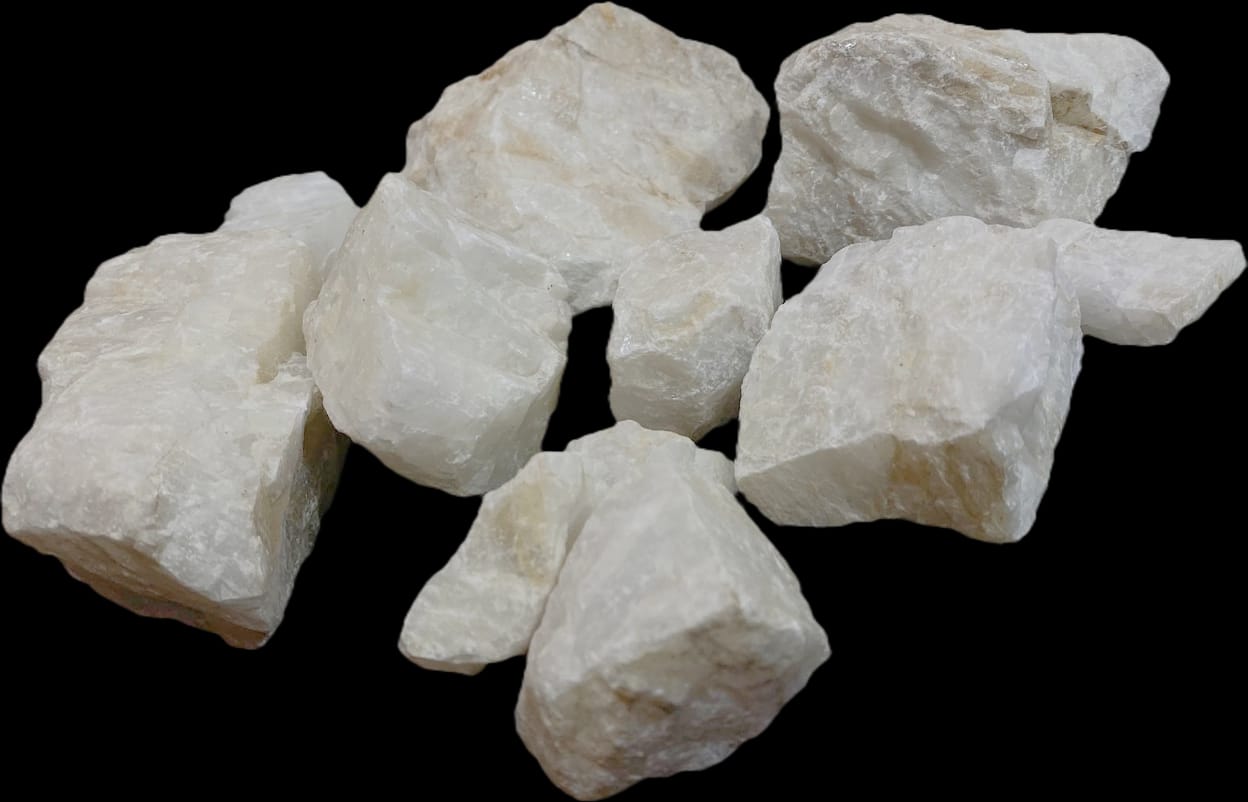
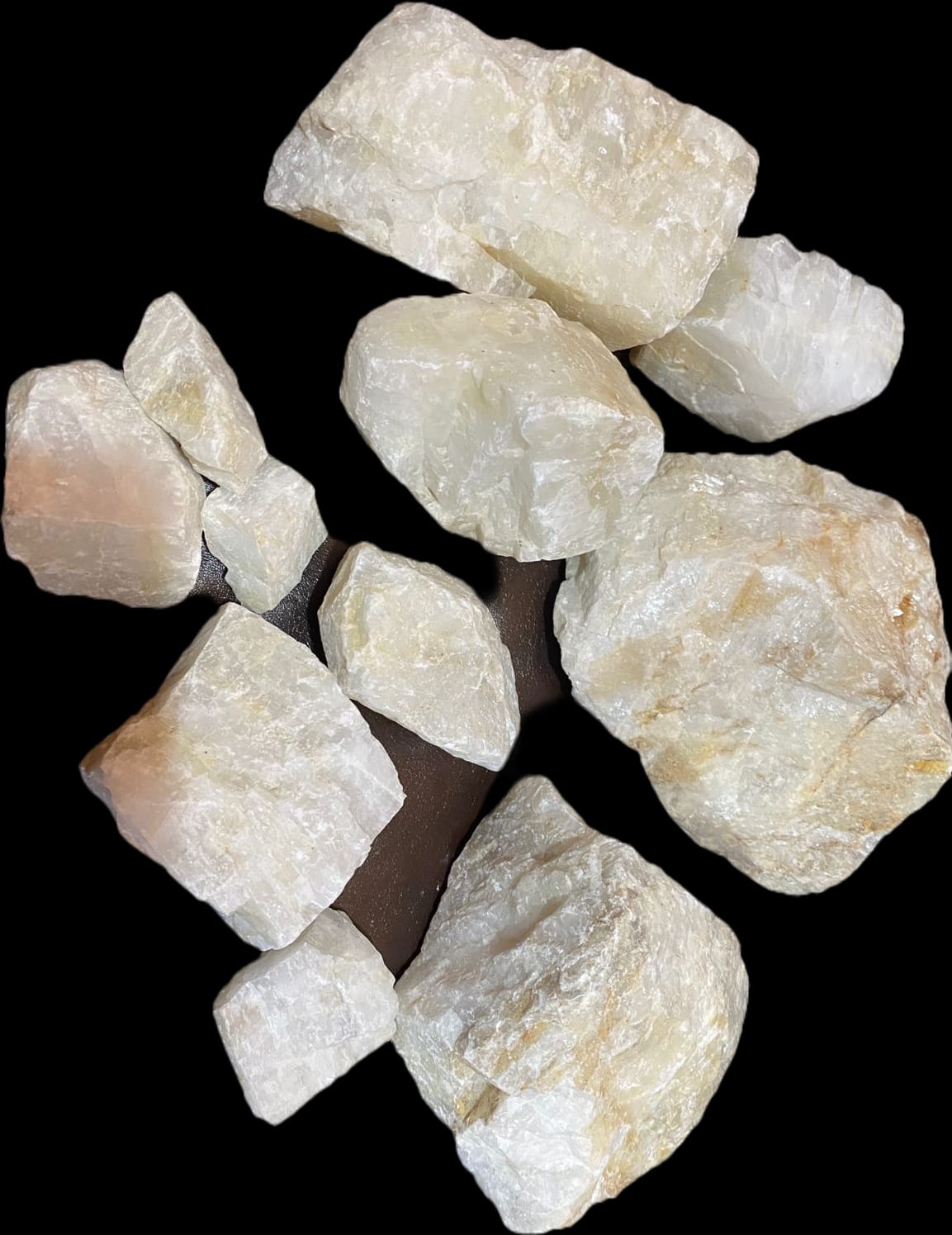
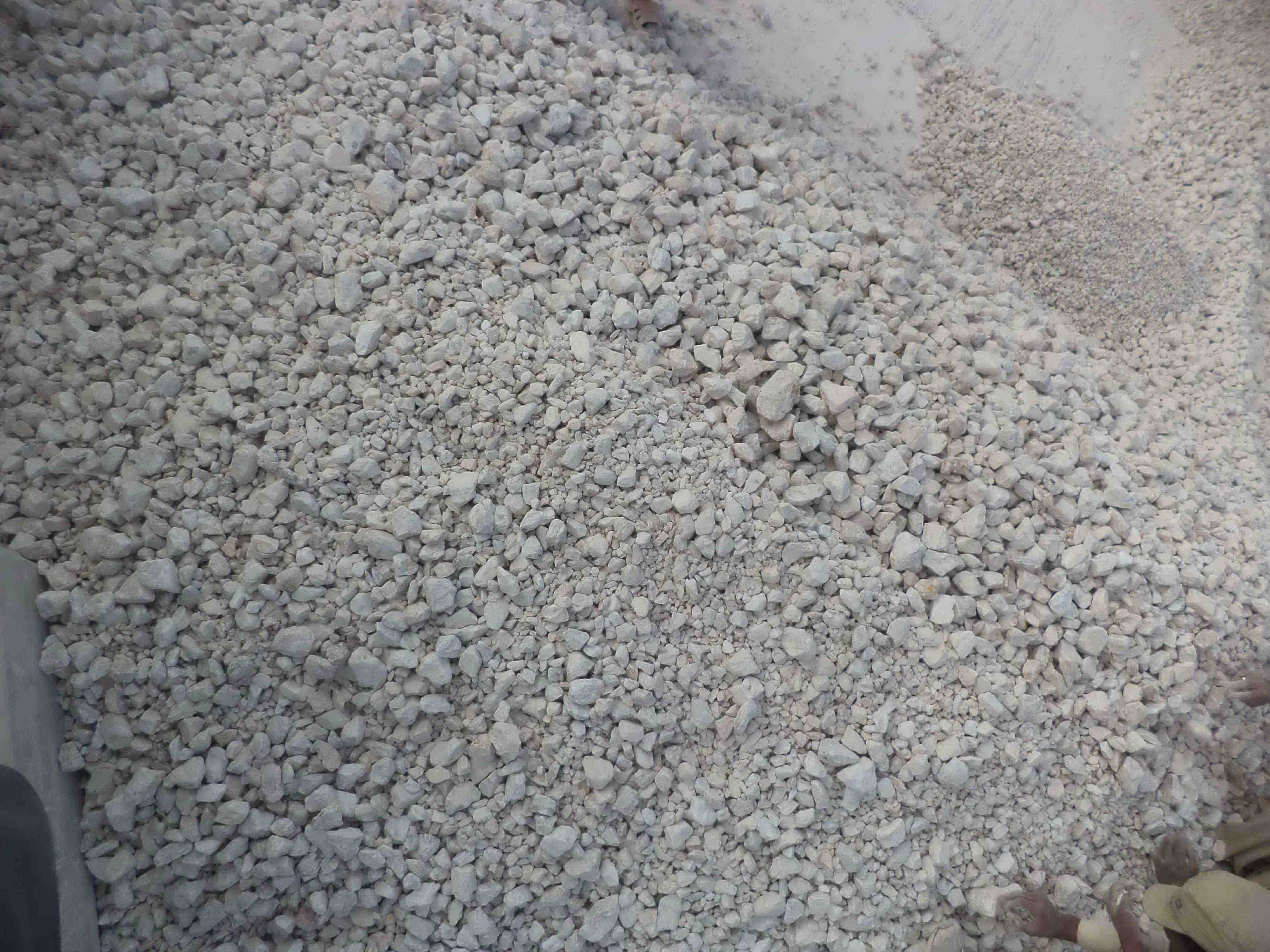
Barite is a mineral composed of barium sulphate (BaSO₄) and is recognized for its significant industrial and scientific value. Its name, derived from the Greek word barite (meaning “heavy”), refers to its high specific gravity, typically ranging from 4.2 to 4.3, which is exceptional for a non-metallic mineral. This property of high density makes barite useful in a variety of applications.
Barite is primarily found as a white or colorless mineral and is the main source of barium. It forms part of the barite group, which also includes minerals like Celestine, anglesite, and anhydrite. The mineral is extracted through both surface and underground mining processes.
Barite’s high specific gravity makes it ideal for a range of industrial uses. It is often employed in the oil and gas industry as a weighting agent in drilling fluids to help maintain pressure while drilling. It is also used in the manufacturing of paints, plastics, and rubber, where its high density helps increase the material’s weight. Additionally, due to its low solubility, non-toxic nature, and opacity to X-rays, barite finds applications in medical imaging (as a contrast medium for X-ray and CT scans).
Barite is also of economic importance in regions such as the southern parts of India, where it is extracted for both local and international markets. Its non-reactivity, low abrasiveness, and chemical stability further enhance its suitability for various industrial processes.
Applications
• Oil Well Drilling
• Paper-Making Industry
• Cosmetics
• White pigments
• Section Paints, Enamel and coatings
• Adhesives Sealants
• Rubber
• Plastic Industry
• Pharmaceutical Industry
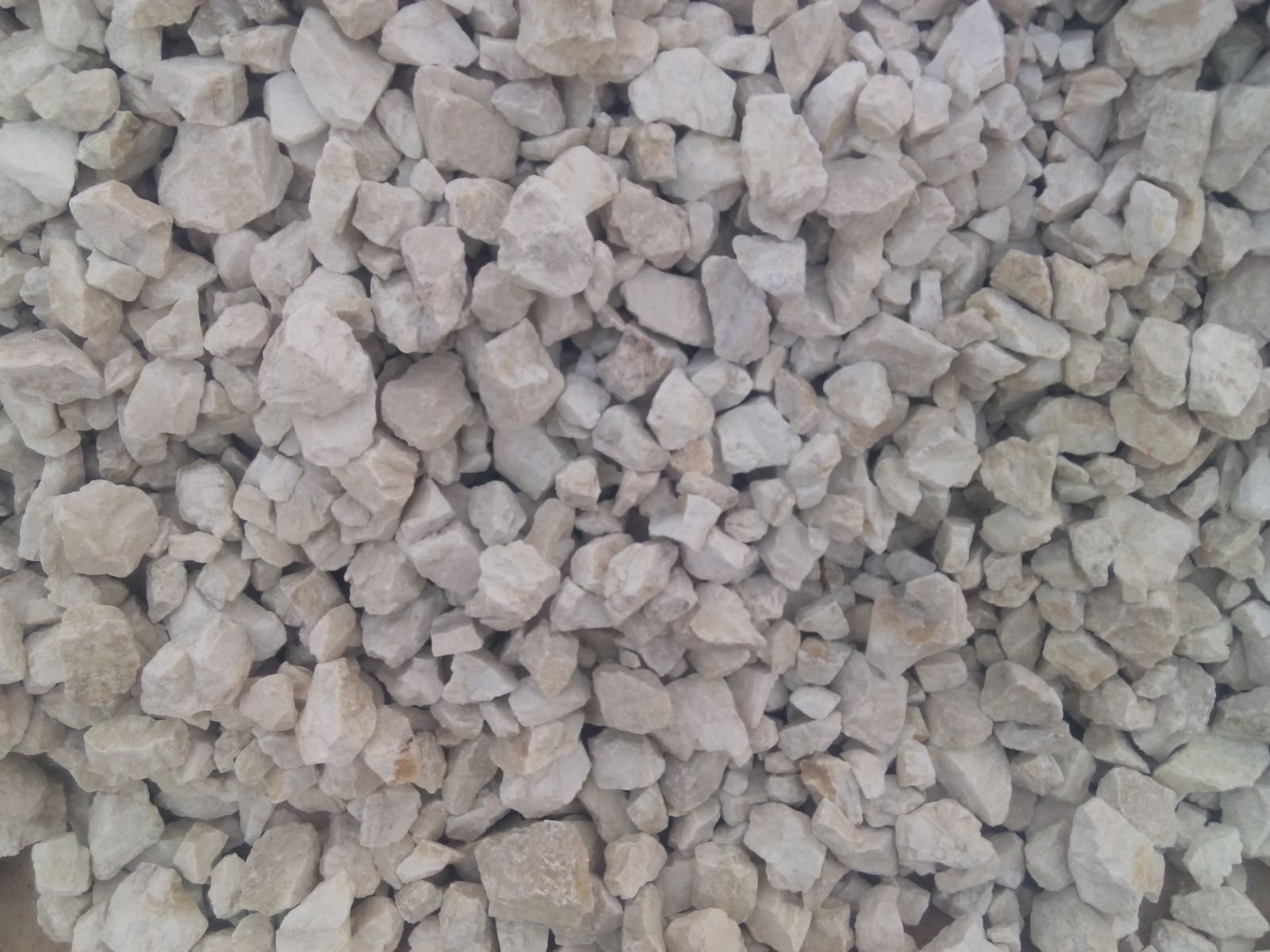
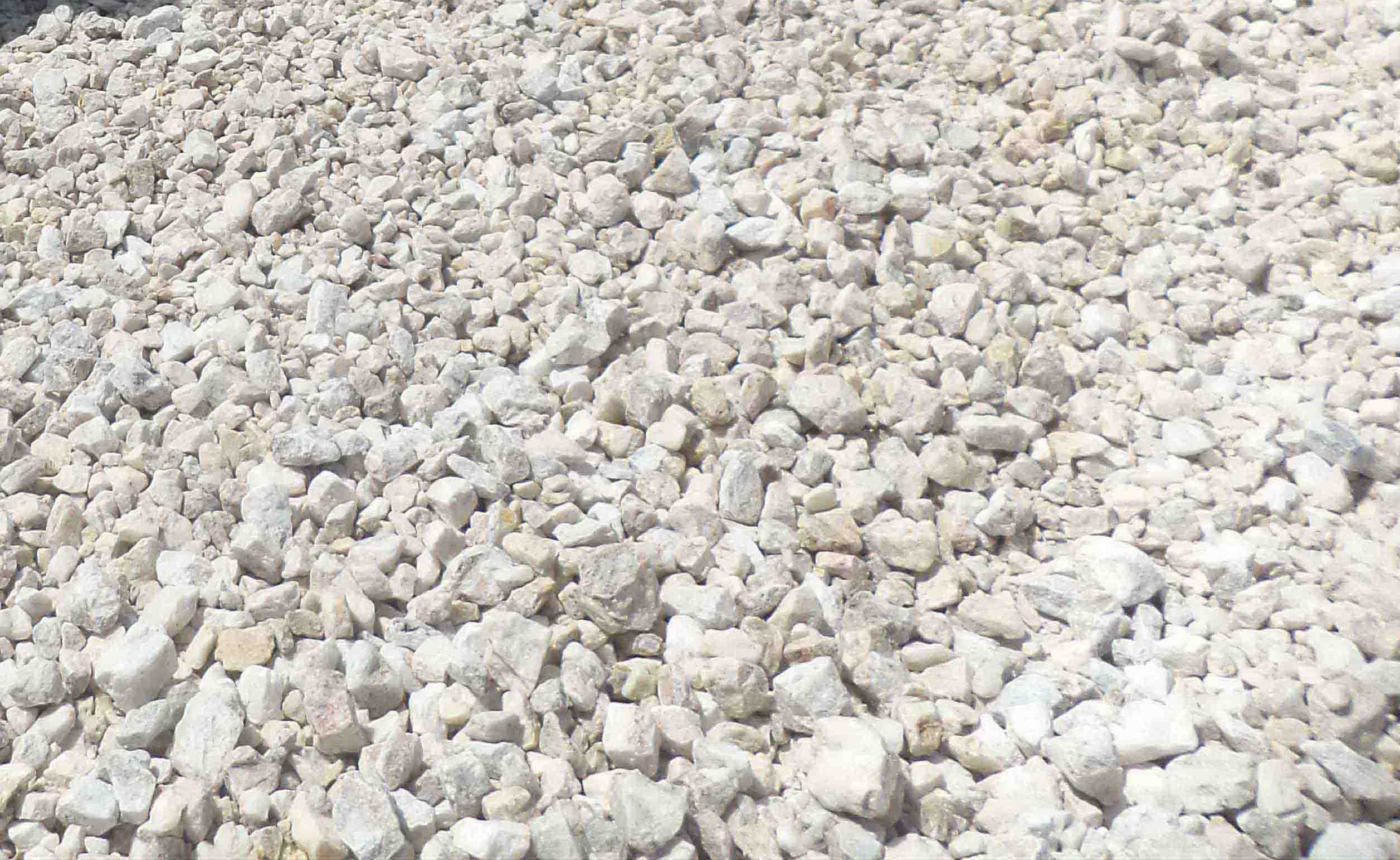
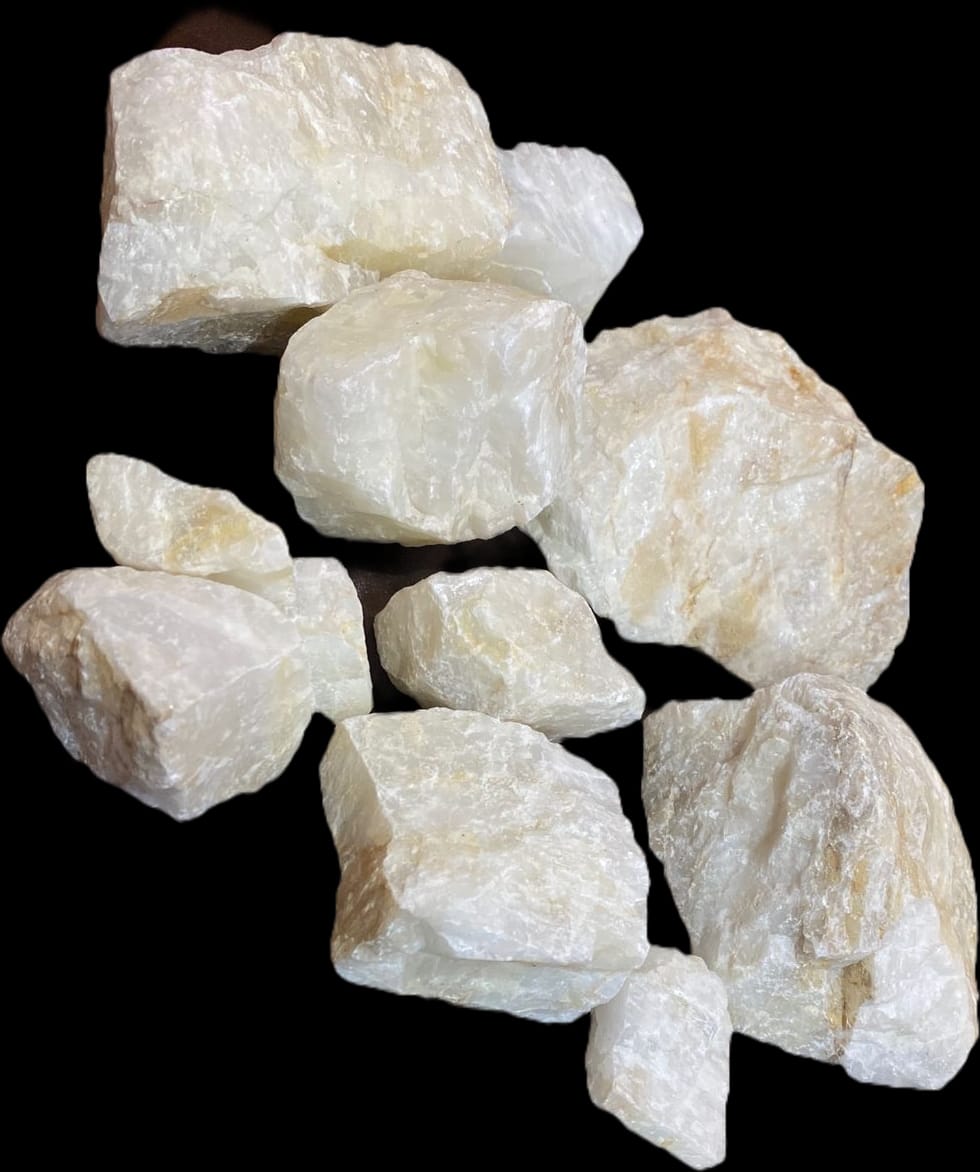
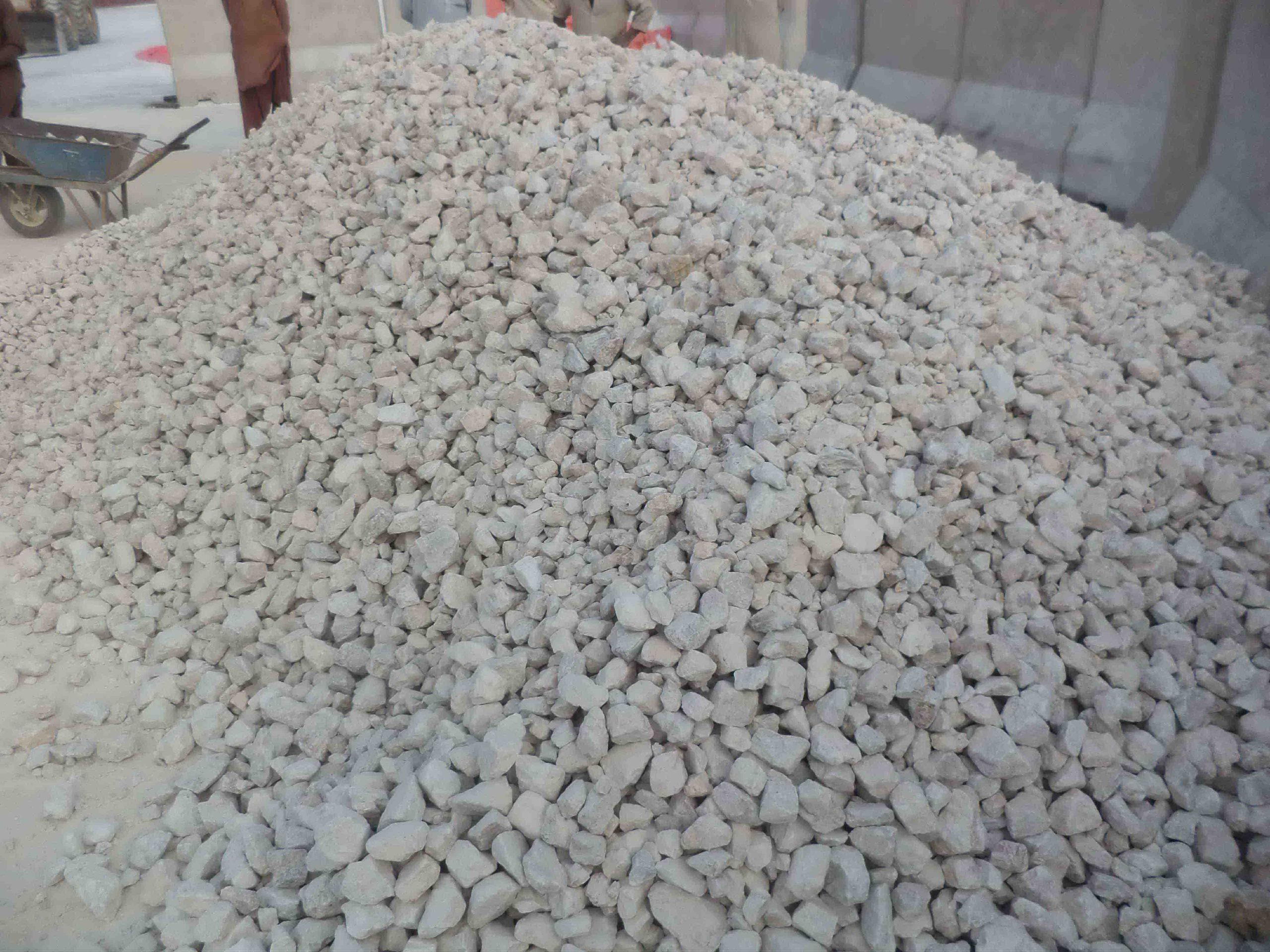
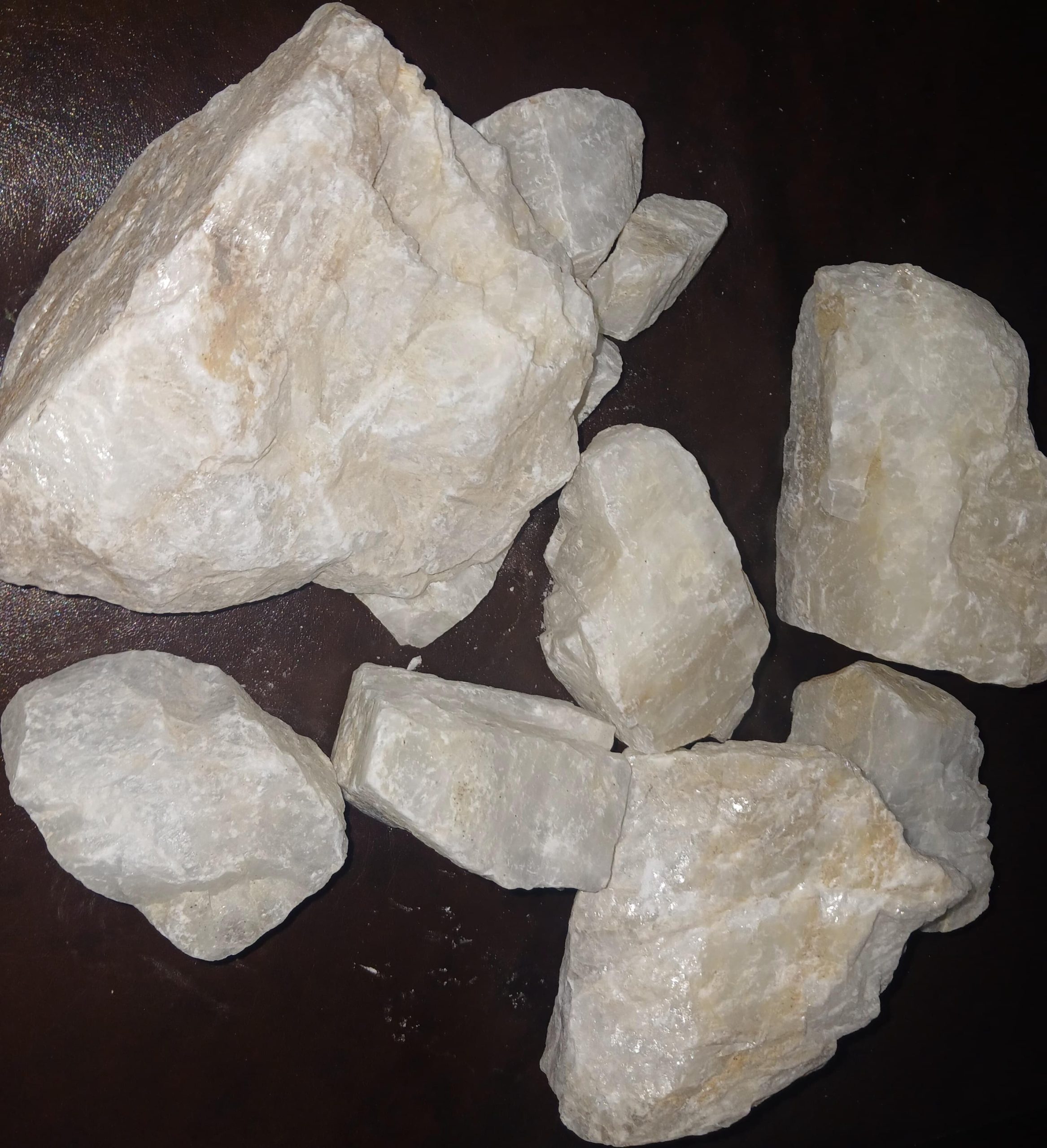
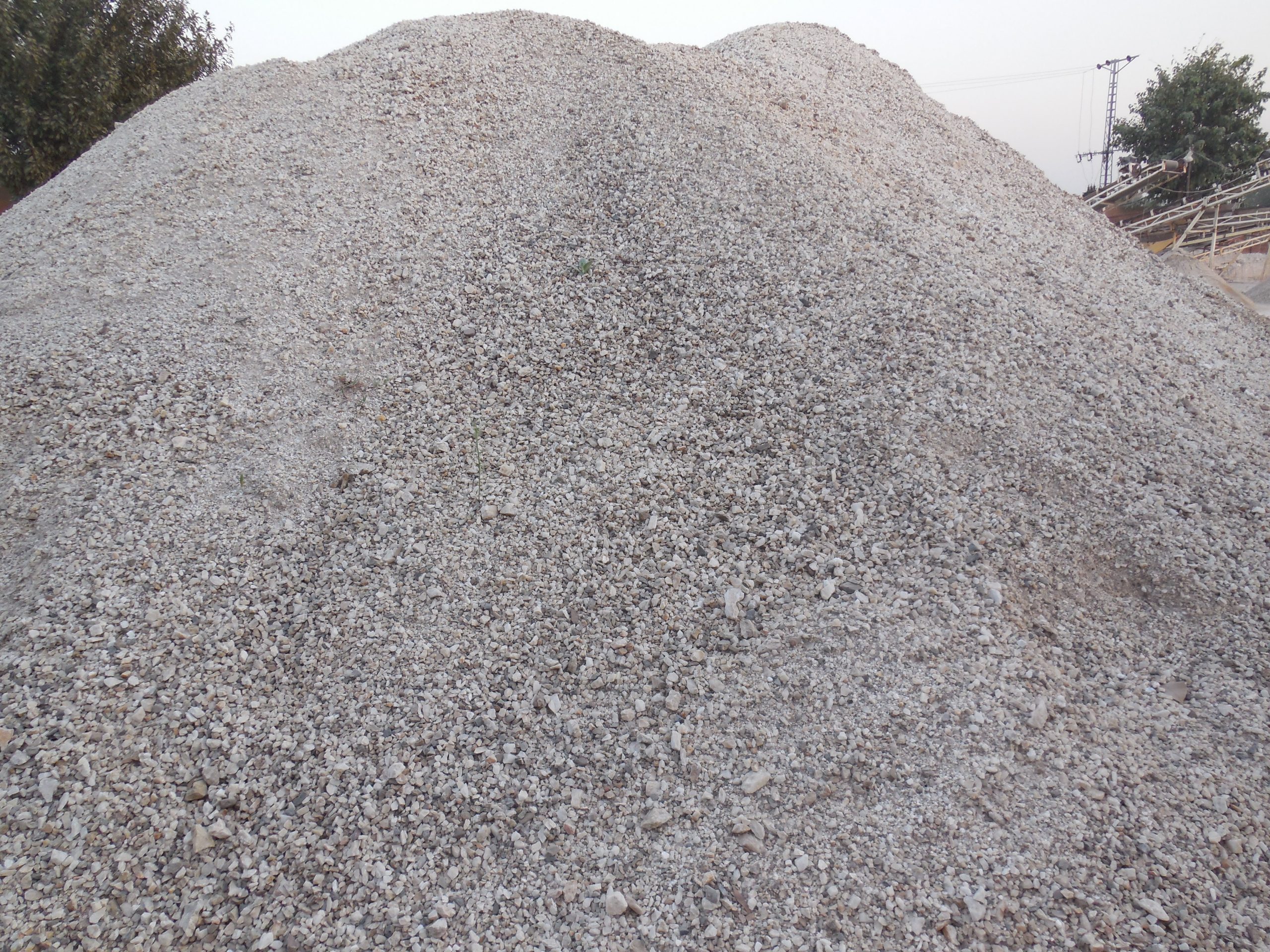
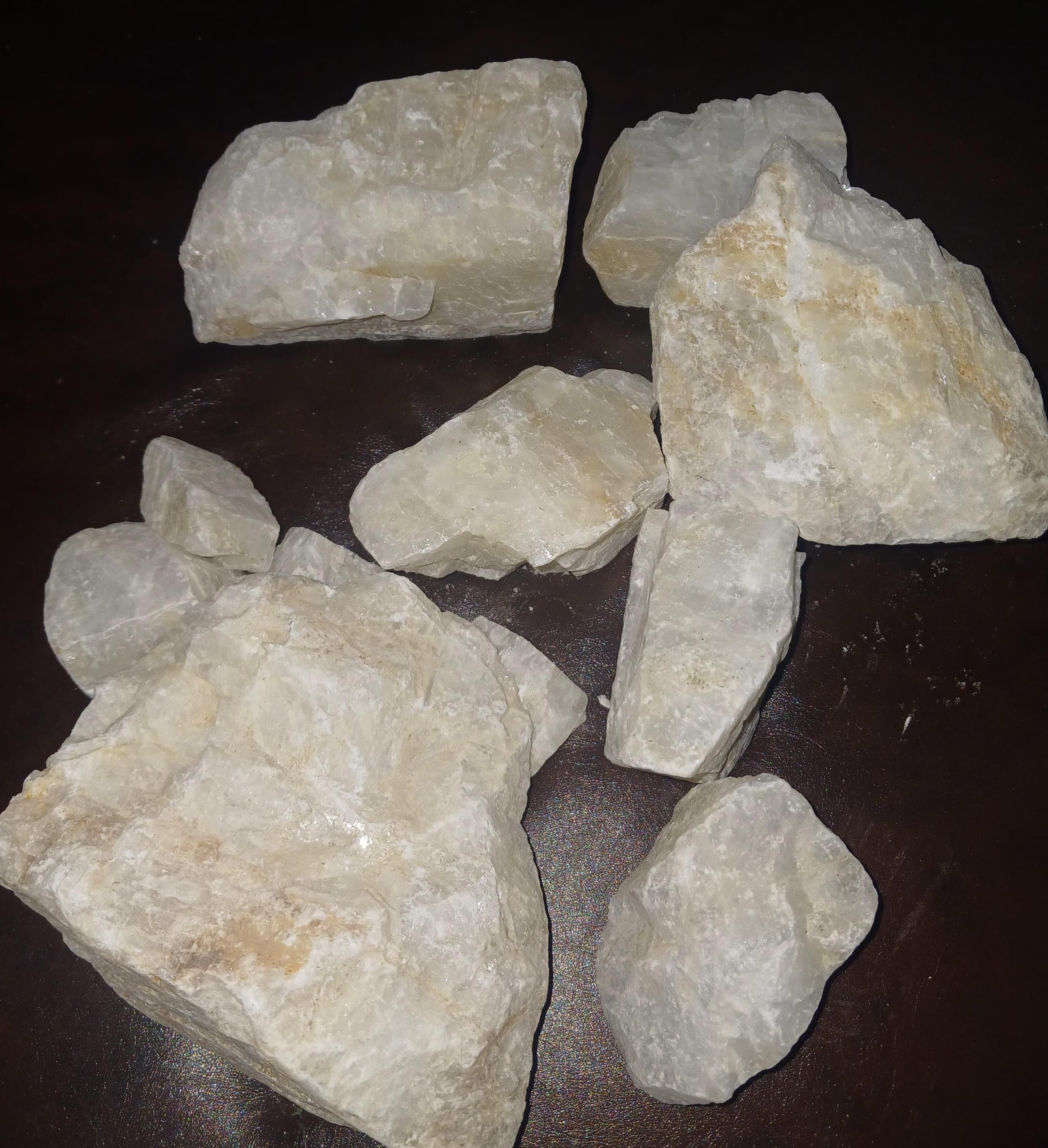
Barite Gallery